The Best new AI Tools for Architects
Artificial Intelligence is rapidly transforming architecture. From generating design concepts to automating feasibility studies and creating photorealistic renders, AI tools help architects work faster, explore more ideas, and make data-driven decisions. Today, AI supports nearly every phase of architectural workflow—concept design, urban planning, visualization, and BIM automation.
1/1/20255 min read
Best AI Tools for Architects in 2026: Transforming Design, Rendering, and Planning
Artificial intelligence is rapidly reshaping the architecture industry. From concept generation and visualization to automated planning and realistic rendering, AI tools help architects design faster, explore more ideas, and streamline complex workflows.
Today, architects are using AI to automate repetitive tasks, generate building layouts, create photorealistic renders, and optimize site planning. Whether you are working on early design concepts or final visualization, the right AI tools can significantly improve productivity and creativity.
In this guide, we explore the best AI tools for architects in 2026, organized by category: concept design, rendering, planning, and materials.
AI Tools for Concept Design and Visualization
Early-stage design is where AI can dramatically enhance creativity. Generative AI tools allow architects to turn text prompts or sketches into detailed conceptual images.
Midjourney – AI Concept Image Generator
Midjourney is one of the most popular AI tools for architectural concept generation. Using text prompts, architects can create stunning conceptual images in seconds.
For example, a prompt like “sustainable museum with curved wooden structure and glass façade” can generate multiple design variations instantly.
Key benefits include:
Rapid concept exploration
Visual inspiration for competitions and presentations
Generation of unique architectural styles
Although Midjourney does not produce precise models, it is extremely valuable for creative ideation and architectural storytelling.
Adobe Firefly – Generative AI for Design Visualization
Adobe Firefly is Adobe’s generative AI platform designed for creative workflows.
Architects use Firefly to generate conceptual architecture images, experiment with materials, and produce variations of a design idea. Because it integrates with Photoshop and other Adobe tools, it is especially useful for architectural presentations and visual storytelling.
Key features:
Text-to-image design generation
AI-powered image editing
Style exploration and design variations
Firefly is widely used for presentation boards, mood boards, and concept visualization.
ArchiVinci – AI Architectural Rendering Tool
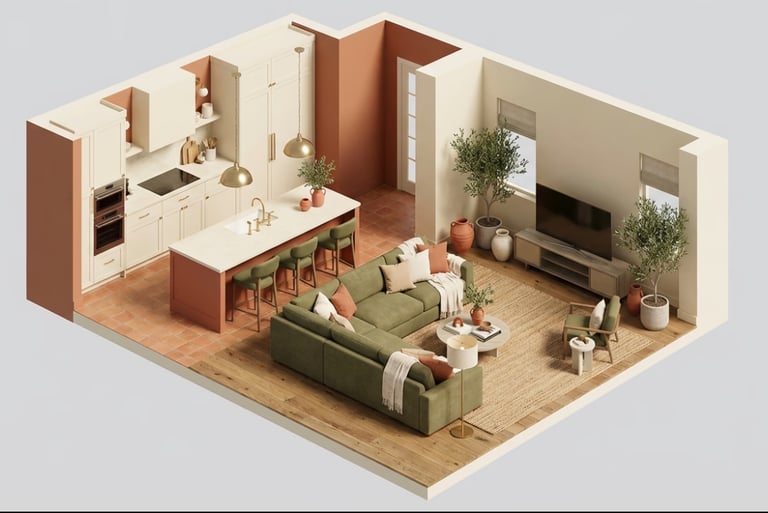
ArchiVinci is an AI tool specifically developed for architects and interior designers.
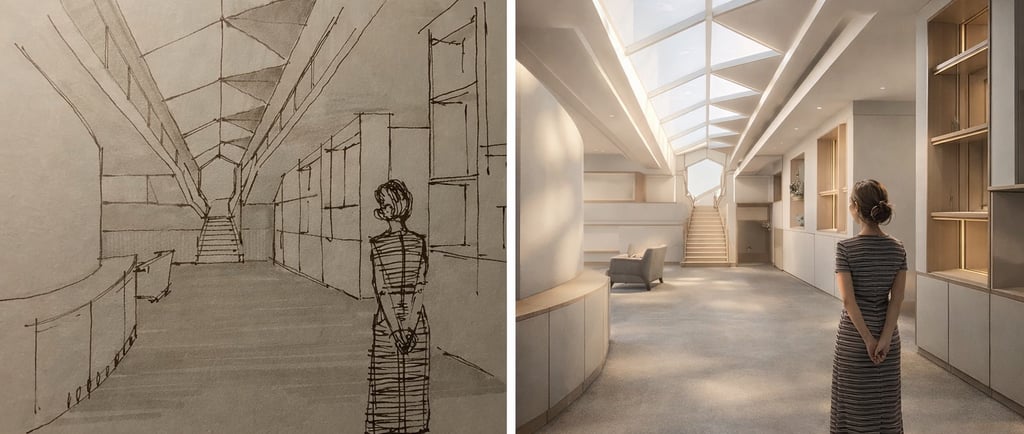
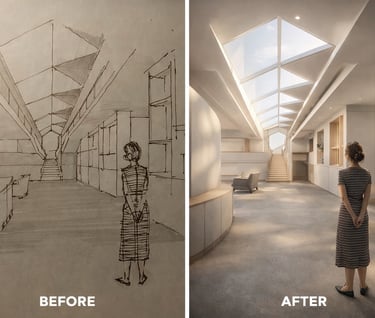
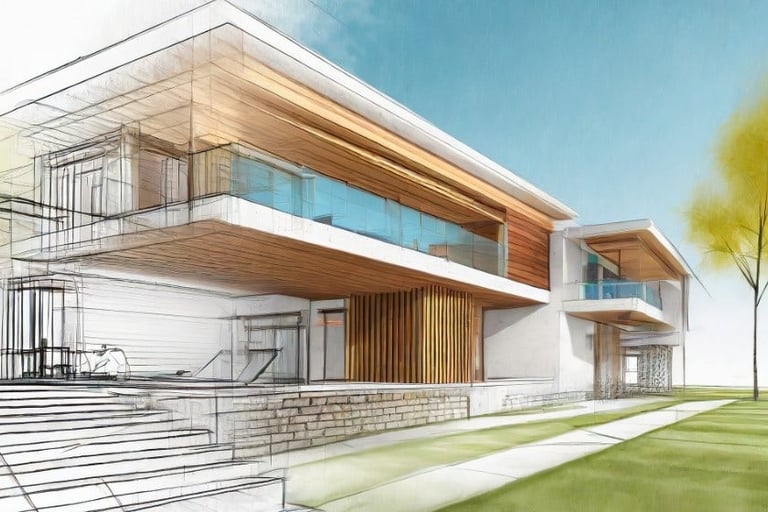
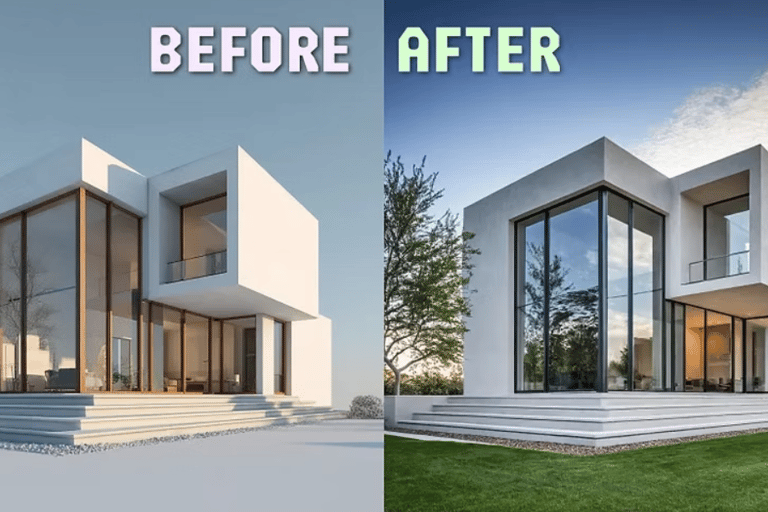
It transforms simple sketches or rough 3D models into realistic architectural renderings. Instead of spending hours adjusting lighting, materials, and shadows manually, the AI generates professional-looking visuals automatically.
Benefits include:
Fast rendering generation
Minimal technical setup
Improved client presentations
This makes ArchiVinci ideal for architects who need quick visuals during early design phases.
Krea AI – Real-Time Sketch-to-Render Tool
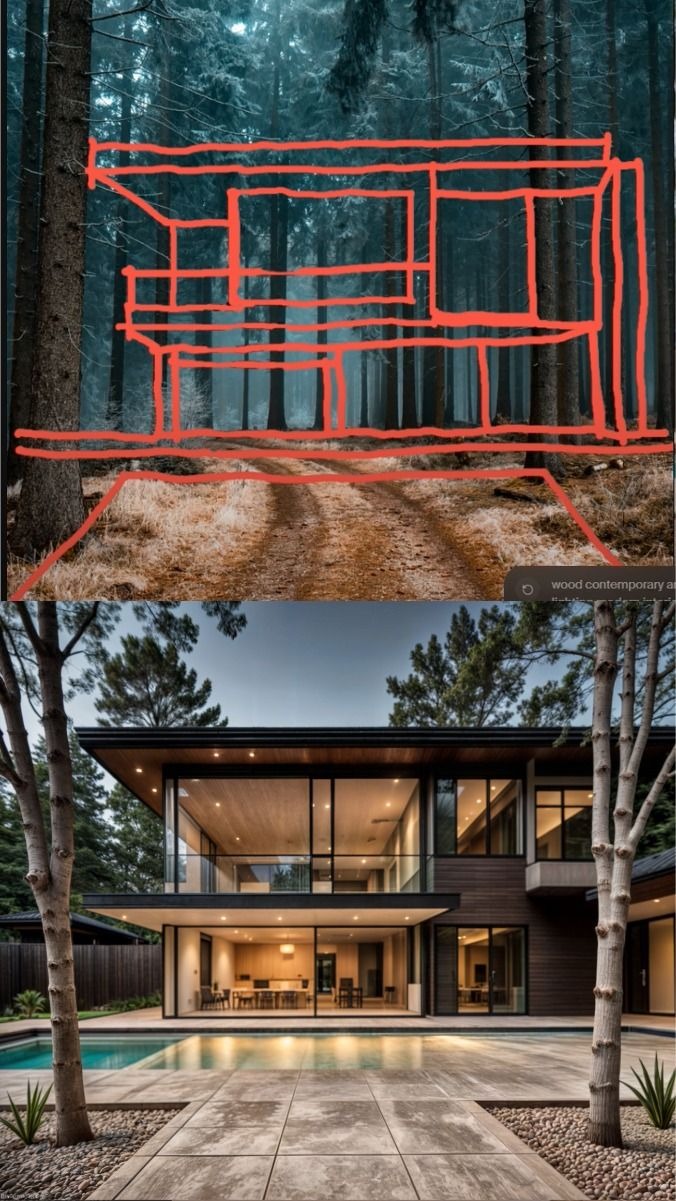
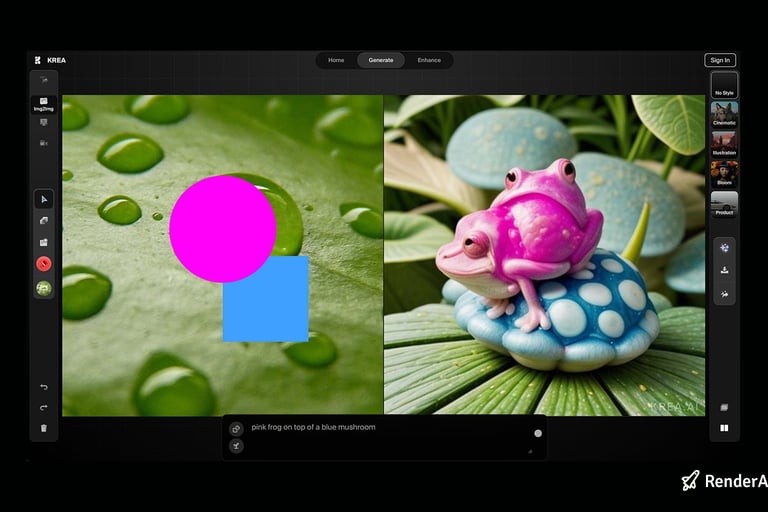
Krea AI enables designers to convert hand sketches into rendered architectural images in real time.
As architects modify a drawing or concept sketch, the AI instantly updates the rendered image, allowing designers to experiment rapidly.
Key advantages:
Real-time design exploration
Fast visualization of ideas
Ideal for collaborative design workshops
Krea AI helps architects quickly translate creative sketches into visual design concepts.
AI Rendering and Modeling Tools
Rendering is one of the most time-consuming tasks in architecture. AI-powered rendering engines can dramatically accelerate this process.
Veras – AI Rendering Plugin for BIM Software
Veras is an AI rendering plugin that works inside popular modeling software such as Revit, SketchUp, Rhino, and Vectorworks.
Architects can instantly generate multiple rendering styles directly from their design models without exporting files to external software.
Key benefits:
Seamless BIM integration
Instant visual variations
Faster rendering workflow
Veras is particularly useful during design development when architects want to explore different materials, lighting, and styles quickly.
D5 Render – Real-Time AI Rendering Engine
D5 Render is a powerful real-time rendering engine widely used in architectural visualization.
Its AI capabilities automatically enhance lighting, environmental effects, and materials to create photorealistic images.
Main features:
Real-time architectural rendering
AI atmosphere and lighting simulation
High-quality visual output
This tool is popular among architects and visualization studios that need high-end renderings quickly.
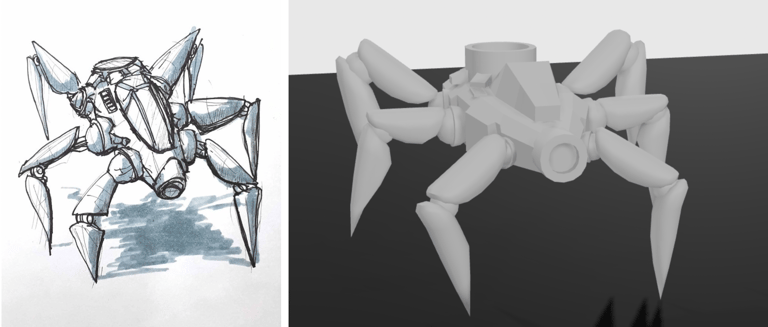
Kaedim – AI 2D-to-3D Model Generator
Kaedim converts 2D drawings or sketches into 3D models using artificial intelligence.
Designers can upload concept drawings, and the AI generates a 3D model that can be refined further.
Advantages include:
Faster 3D modeling workflow
Rapid prototyping of design ideas
Reduced manual modeling work
Kaedim is particularly useful for early-stage concept modeling.
AI Tools for Planning and Generative Design
Generative design tools allow architects to analyze site conditions, optimize layouts, and generate building massing automatically.
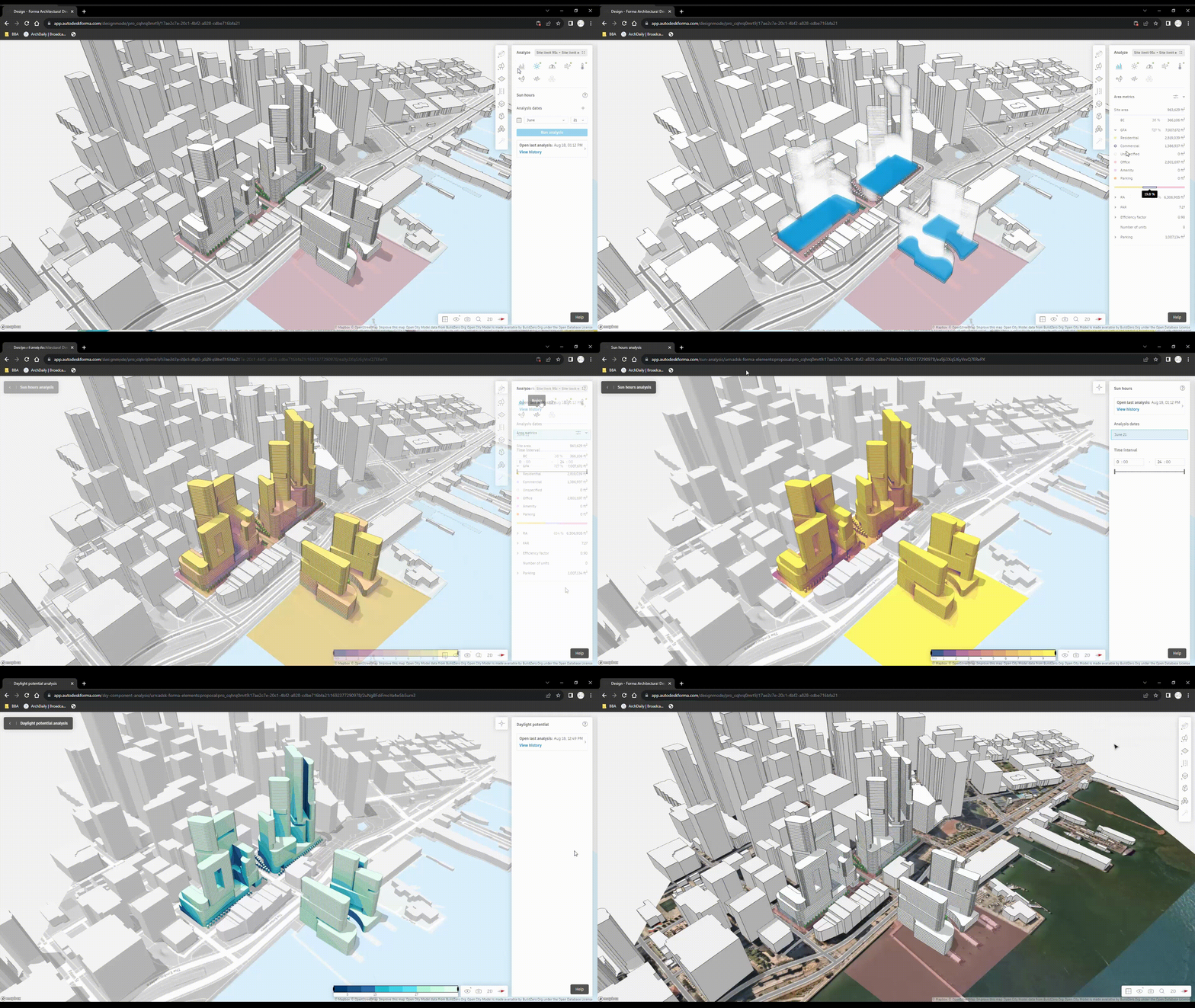
Autodesk Forma – AI Site Analysis Platform
Autodesk Forma is a cloud-based platform that helps architects analyze site conditions and generate building massing concepts.
The software evaluates environmental factors such as:
sunlight exposure
wind patterns
energy performance
Forma is widely used in urban planning and large-scale development projects.
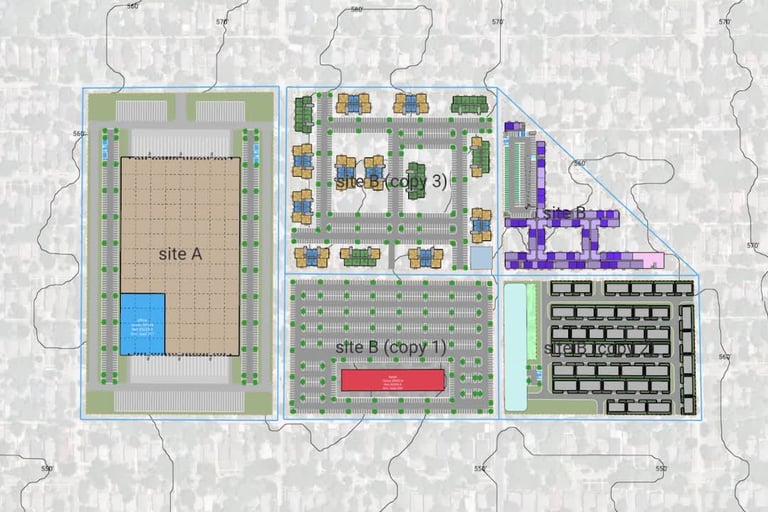
TestFit – AI Feasibility and Site Planning Tool
TestFit is an AI-powered platform used for real estate development and feasibility studies.
Architects and developers can input site constraints such as zoning regulations and parking requirements. The software then generates optimized building layouts.
Benefits include:
Rapid feasibility analysis
Automated building layout generation
Efficient density optimization
Maket.ai – AI Floor Plan Generator
Maket.ai focuses on residential architecture and automatically generates floor plans based on user input.
Architects can specify parameters such as:
number of rooms
building size
layout requirements
The AI produces multiple floor plan options, helping architects quickly explore different design possibilities.
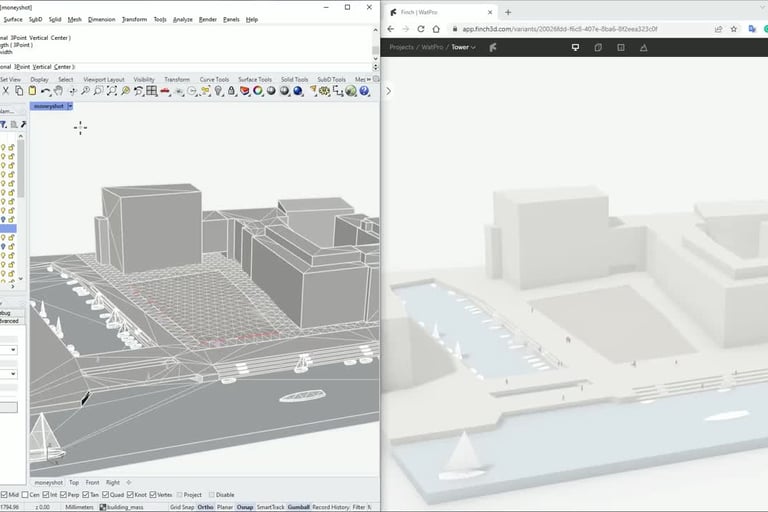
Finch 3D – Parametric AI Design Tool
Finch 3D combines generative design with parametric modeling.
As architects modify design parameters, the software automatically adjusts building geometry and ensures spatial compliance.
Key advantages:
Generative building layouts
Parametric optimization
Instant design feedback
Finch is particularly useful for complex architectural projects requiring iterative optimization.
AI Tools for Materials and Textures
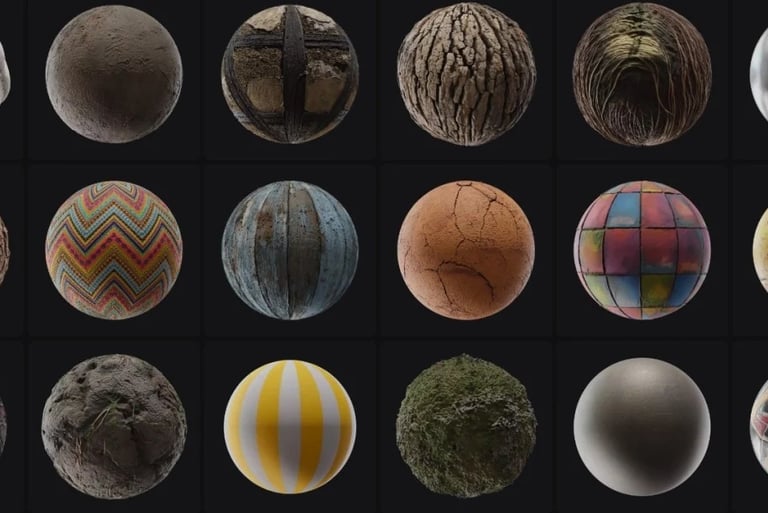
Material realism plays a major role in architectural visualization. AI tools now help generate high-quality textures automatically.
Polycam AI Texture Generator
Polycam provides AI tools for generating seamless, high-resolution textures.
Architects can create realistic material maps for surfaces such as stone, concrete, and wood.
Benefits include:
High-resolution textures
Realistic material scanning
Faster rendering workflows
WithPoly AI – PBR Texture Generator
WithPoly AI generates Physically Based Rendering (PBR) textures, which simulate real-world material properties.
These textures include maps for:
roughness
reflection
surface detail
This tool is particularly valuable for architectural visualization teams aiming to create highly realistic renders.
Conclusion: How AI Is Transforming Architecture
Artificial intelligence is becoming an essential tool for modern architects. AI-powered platforms now assist with concept design, visualization, site analysis, generative planning, and realistic rendering.
By integrating AI tools into their workflows, architects can:
explore more design ideas quickly
automate repetitive tasks
improve design quality and efficiency
As AI technology continues to evolve, it will play an even greater role in shaping the future of architectural design and urban planning.